Maniac(geek) place Iga
Ninja museum of Iga style
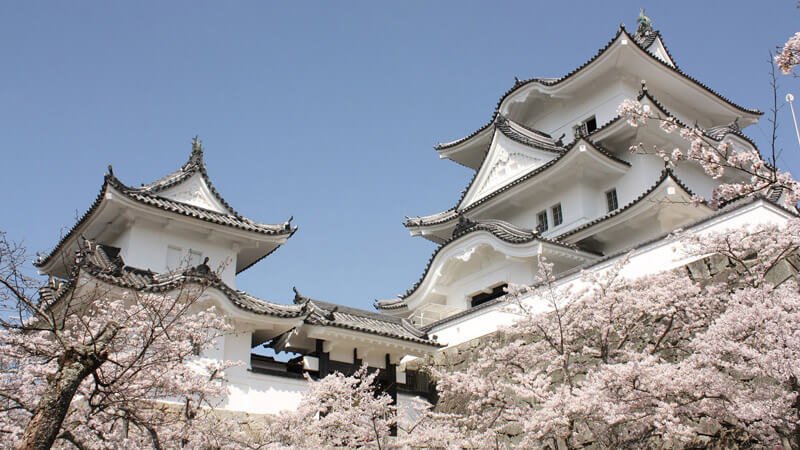
In Iga, you’ll find the Ninja Museum of the Iga-ryū style located within Ueno Castle, just a 10-minute walk from JR Iga-Ueno Station by following the path directly in front of the station. This museum was established as a nonprofit organization to present the history of the Iga area and to promote local sightseeing in the region.
Iga Ninja’s residence(yashiki)
Iga Ninja’s housestead in Takayama was relocated to here. Momochi Sandayu(Tanba), known as Jonin ninja had a multiple of estates similar to this and when they stayed at one of the housesteads they made themselves in the disguise of appearances in different ages and had given orders to Chunin and Genin.
So their cautious lifestyle such as nobody knows their real faces and that mentality is well reflected in design of their facilities such as hidden door turn around wall, secret underground passage all of which are very impressive.
Ninja tradition museum (Ninja archive)
It was amazing to see so many exhibits thoughtfully curated through well-designed programs. There are explanations of how Iga-style ninjutsu developed, displays of multi-functional tools that served both for farming and combat, and even examples of the special dried foods ninja carried with them. It’s fascinating to see how much refinement went into the evolution of these tools over time.
Ninja Show
The Iga Ninja Show performed by the Ashura group is held 4 to 7 times a week, with two performances on weekdays and three on weekends.
You can watch ninja actors demonstrate real tools in action, showing how they were traditionally used. They wield throwing knives, fighting blades, and chain-and-sickle weapons—classic ninja specialties. The performance is certainly impressive. However, it raises the question:” Is what we see on stage truly a recreation of how ninja once fought?”
Yu-pon feels that the performance, while entertaining, doesn’t fully capture the true essence of ninjutsu—a life-or-death discipline, as described in the essays of Ryōtarō Shiba. Watching it reminded her just how unimaginably intense real ninja training must have been. The show offers eye-catching stunts, yes, but in the end, it reveals the physical limits of modern performers who haven’t undergone the extreme training that real ninja once faced. It made her quietly reflect: the true ninja really were something extraordinary.
Virtual experience of ninja art(忍術)
It appears to be under preparation at the moment, with plans to open in August 2025.
Access
| Name; | Ueno castle |
| Place; | 106, Ueno Marunochi, Iga-shi, Mie Prefecture |
| By train; | From JR Iga-ueno station → 7 minutes → Iga railway Uenoshi station →8 minutes walk → Iga Ueno castle |
| By car; | From Nagoya → Meihan highway Nakase IC 10 minutes → Iga Ueno castle |
| By bus; | ・From Nagoya (meitestu bus center) about 90 minutes, ・From Osaka(shin-osaka station north entrance) about 120 minutes, ・From Kyoto(Kyoto station Hachijo Exit) about 90 minutes |
Matsuo Basho Memorial Hall and library and his parent’s home
Matsuo Bashō was a prominent haiku poet in Japan. Some believe that his travel diary, Oku no Hosomichi (“The Narrow Road to the Deep North”), might actually have been the work of a Yōnin—a ninja spy working for the Edo government.
According to calculations, the journey covered about 50 kilometers per day. For someone in their 50s, walking such a long distance daily would normally be unrealistic. However, it’s plausible that only a ninja with intense training could have managed such a feat. That’s why some claim Bashō was in fact a ninja.
In addition to this theory, Bashō had a family name despite coming from a farming background. At that time, ordinary farmers typically did not have surnames—only jōnin and chūnin (high- and mid-ranking ninja) were permitted to use them. Another piece of evidence is that travel during the Edo period was prohibitively expensive for ordinary individuals. In the Edo period, it was difficult for ordinary people to obtain permission to travel from the government.
The Memorial Hall was built as an annex to Ueno Castle. His family home is just a five-minute walk from the Iga-ryū Ninja Museum. It brings a quiet delight to imagine that Bashō’s travel journal, interwoven with haiku poetry, may have actually been a byproduct of his duties as a ninja.
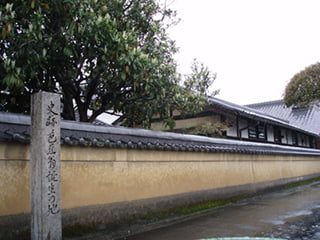
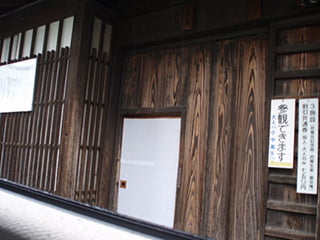
| Name; | Matsuo Bashō’s Home |
| Place; | Akasakachō, Ueno, Iga City, Mie Prefecture |
| Acsess; | 12-minute walk from Ueno Castle Park |
Iga Ninja training village Akame(赤目) 48 Waterfalls, Ninja’s forest
This village was once used as a training ground for the jōnin-class Momochi ninja family, as well as for practitioners of Shugendō. Today, the facility is intended for children, who can try out ninja training using shinobi tools and techniques—such as hiding, wall climbing, jumping, stealth walking, disguise, water spider (mizugumo) walking, and ninja marking skills.
Exploring the Akame 48 Waterfalls takes about 2 to 3 hours, but you’ll surely enjoy the stunning natural scenery along the way. All of the spots mentioned above are located in Nabari City, which also offers excellent hot springs. Staying overnight in the city makes a great base for sightseeing throughout the Iga and Kōka regions.
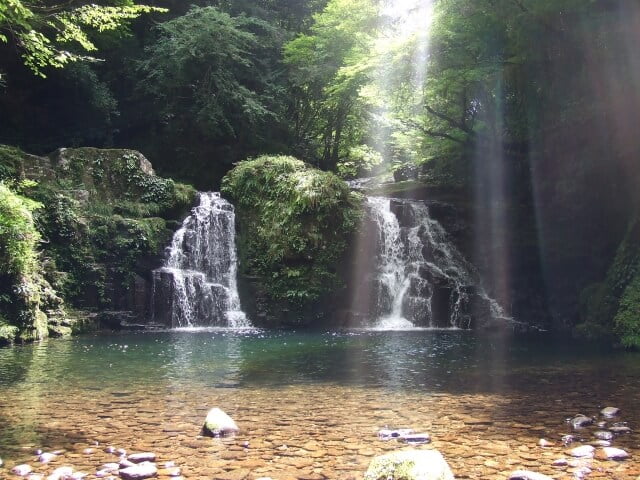
| Name; | ninja village akame 48 watarfaills |
| Place; | Akamecho Nagasaka, Nabari-shi, Mie Prefecture |
| By car; | ・From Kyoto →route24 45 min → KIZU → route163 45 minutes → Iga-shi → route368 40 min. ・From Nagoya(Nagoya-nishi IC)→ Higashi Meihan Expressway 35 min → KameyamaIC →Meihan Road 30 min → UenoIC → route368 40 min. |
| By train; | ・ From Kyoto(kintetsu-limited express train) → Yamato Yagi -station →akame-guchi station ….1h29min ・ From Nagoya(kintetsu-limited express train) →nabari-station →akame-guchi station ….54min |